OpenClaw: The Next Generation of AI Agent Orchestration
Understanding the architecture and core concepts of OpenClaw's unified agent orchestration platform for enterprise AI deployment across multiple channels.
OpenClaw: The Next Generation of AI Agent Orchestration
Part 1 of 3: Understanding the Architecture and Core Concepts
Introduction
The AI landscape has evolved rapidly from simple chatbots to sophisticated agent systems. While most platforms focus on single-agent interactions, enterprise teams need orchestrated, multi-agent workflows that can scale across diverse communication channels and integrate deeply with existing infrastructure.
OpenClaw represents a fundamental shift in how organizations deploy and manage AI agents. Built from the ground up for enterprise environments, it provides a comprehensive orchestration platform that transforms individual AI models into coordinated, intelligent systems.
The Agent Orchestration Challenge
Traditional AI implementations face several critical limitations:
Isolation Problems
Most AI solutions operate in silos, with each model instance handling requests independently. This creates:
- Inconsistent experiences across channels
- Inability to share context between interactions
- Redundant processing and resource waste
- Complex integration requirements for each new channel
Scale Limitations
Enterprise teams quickly discover that scaling AI beyond proof-of-concept requires:
- Sophisticated session management
- Cross-channel state synchronization
- Robust error handling and fallback mechanisms
- Comprehensive monitoring and observability
Security Concerns
Production AI deployments must address:
- Secure credential management across multiple services
- Audit trails for all agent actions
- Fine-grained access controls
- Compliance with data protection regulations
OpenClaw addresses these challenges through a unified orchestration architecture that treats AI agents as first-class infrastructure components.
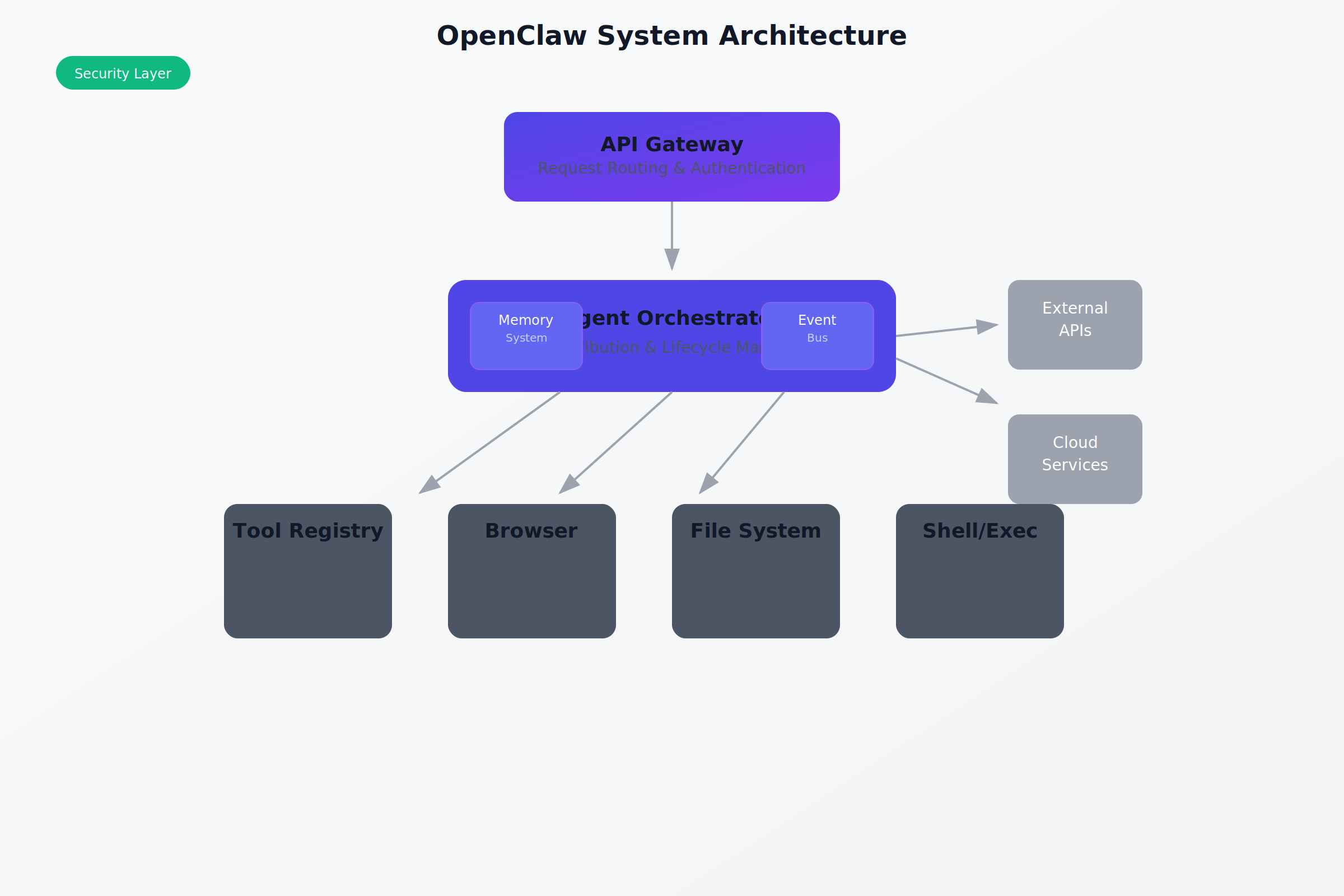
Figure 1: OpenClaw’s unified architecture eliminates the complexity of traditional point-to-point AI integrations
Core Architecture Overview
OpenClaw’s architecture centers around three foundational components: the Gateway, Agent Workspaces, and the Skills System.
The Gateway: Central Nervous System
The OpenClaw Gateway serves as the central coordination hub, managing:
- Session Management: Maintains conversation state across multiple channels and agents
- Message Routing: Intelligently routes messages to appropriate agents based on context and capabilities
- Authentication: Provides unified authentication across all connected services
- Resource Management: Optimizes agent allocation and computational resources
The Gateway operates as a WebSocket-based service that can handle thousands of concurrent agent sessions while maintaining sub-second response times.
Agent Workspaces: Isolated Intelligence
Each agent operates within its own workspace, providing:
- Memory Systems: Persistent storage for both short-term and long-term memory
- Configuration Management: Isolated settings and capabilities per agent
- Audit Logging: Complete tracking of all agent actions and decisions
- Resource Isolation: Secure separation of agent data and processes
Workspaces use a file-based approach that enables version control, backup, and sophisticated debugging capabilities.
Skills System: Extensible Capabilities
OpenClaw’s Skills System provides a standardized framework for extending agent capabilities:
- Tool Integration: Seamless connection to external APIs and services
- Custom Logic: Support for domain-specific business logic
- Cross-Agent Sharing: Skills can be shared across multiple agents
- Security Boundaries: Fine-grained permissions for each skill
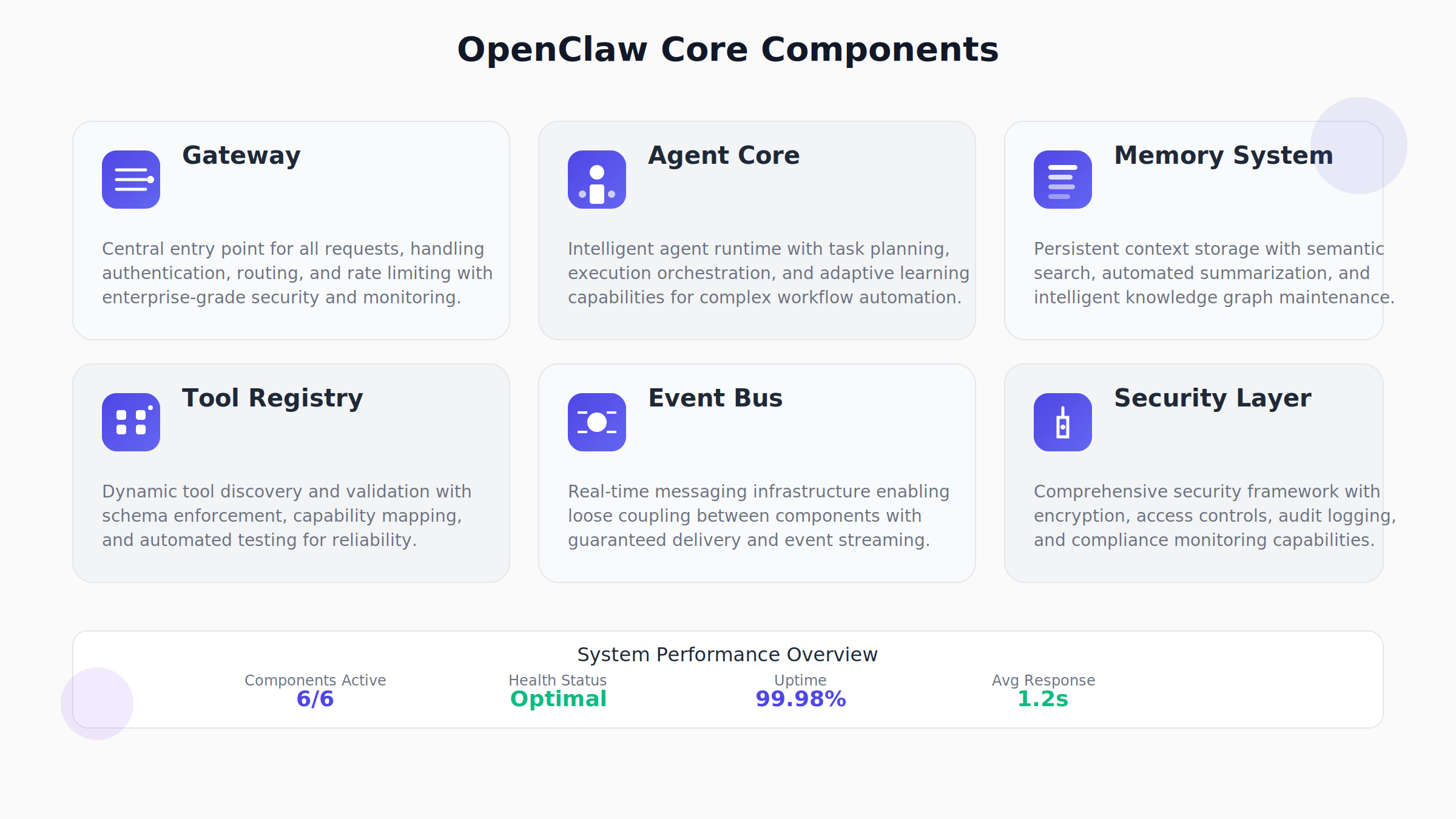
Figure 2: OpenClaw’s core components work together to provide comprehensive agent orchestration
Multi-Channel Intelligence
One of OpenClaw’s key differentiators is its native multi-channel support. Rather than requiring separate integrations for each communication platform, OpenClaw provides unified access to:
Messaging Platforms
- WhatsApp Business: Full API integration with support for media, templates, and business features
- Discord: Real-time messaging with bot capabilities and channel management
- Telegram: Bot API integration with support for inline keyboards and file sharing
- Slack: Workspace integration with thread support and app capabilities
Infrastructure Channels
- Email: SMTP/IMAP integration for automated email handling
- SMS: Carrier-agnostic messaging with international support
- Webhooks: Custom HTTP endpoint integration
- API Endpoints: RESTful interfaces for system-to-system communication
Each channel integration includes intelligent message formatting, rate limiting, and error handling specific to that platform’s requirements.
Context Preservation
OpenClaw maintains conversation context across all channels, enabling users to:
- Start a conversation on WhatsApp and continue it via email
- Escalate from automated chat to human handoff seamlessly
- Share context between multiple agents working on the same task
- Maintain user preferences and history across all touchpoints
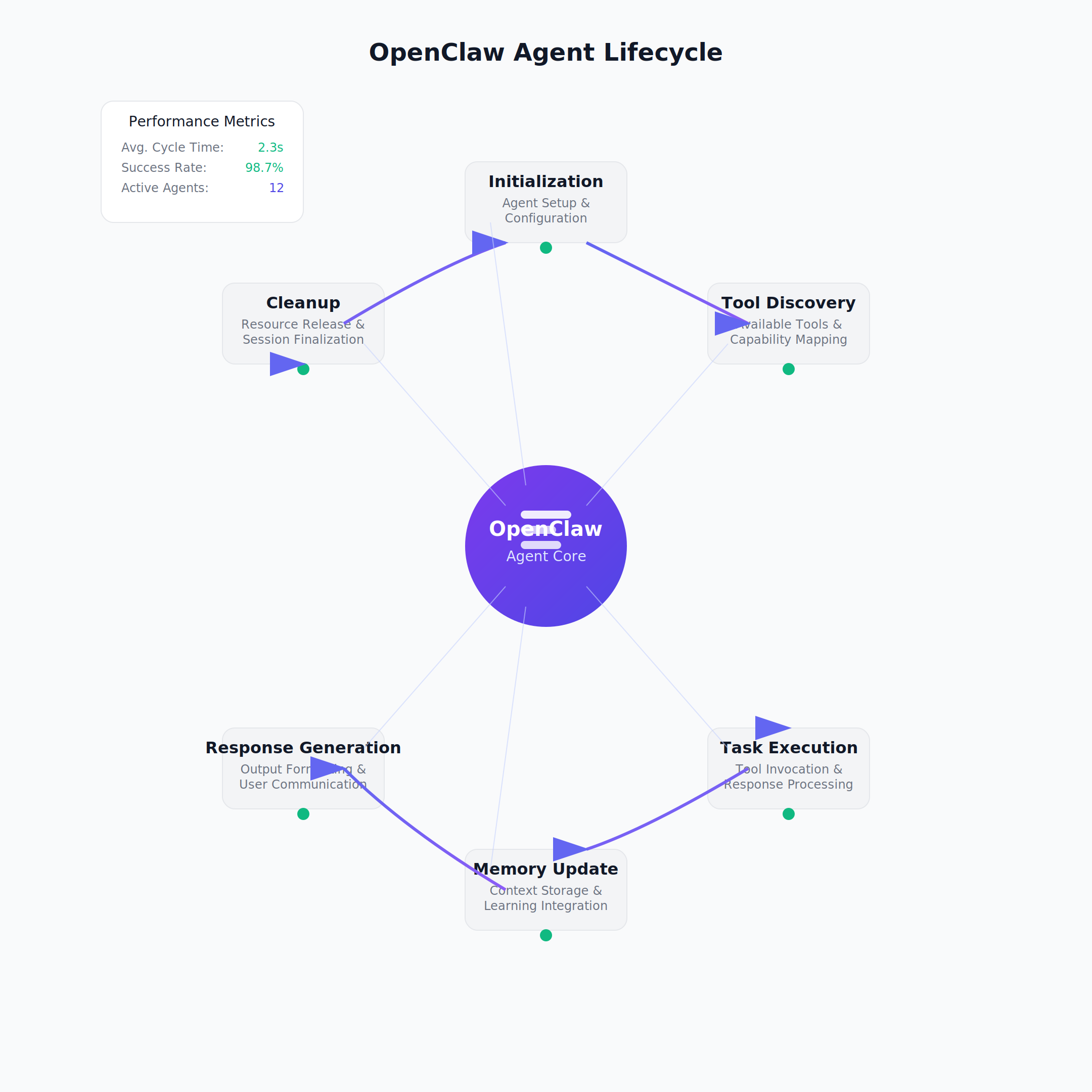
Figure 3: Every OpenClaw agent follows this structured lifecycle to ensure reliable multi-channel operations
Agent Coordination Patterns
OpenClaw supports several sophisticated coordination patterns that enable complex multi-agent workflows:
Hierarchical Delegation
Senior agents can delegate specific tasks to specialized agents while maintaining overall oversight. This pattern is particularly effective for:
- Customer service escalation workflows
- Multi-step business processes
- Quality control and review cycles
Collaborative Processing
Multiple agents can work simultaneously on different aspects of a complex problem, sharing context and results in real-time:
- Document analysis with different subject matter experts
- Multi-perspective research and analysis
- Distributed data processing tasks
Consensus Building
For critical decisions, OpenClaw can orchestrate consensus processes where multiple agents contribute to a final decision:
- Risk assessment workflows
- Compliance verification processes
- Strategic planning and analysis
Getting Started: First Steps
Installation and Setup
OpenClaw provides a streamlined onboarding experience through its CLI:
# Install OpenClaw CLI
npm install -g @openclaw/cli

# Initialize your workspace
openclaw setup

# Run the interactive configuration wizard
openclaw onboard
The onboarding process guides you through:
- Gateway configuration and startup
- Agent workspace creation
- Channel authentication (starting with development channels)
- Skills installation and configuration
- Security setup and verification
Basic Agent Configuration
Your first agent requires minimal configuration:
{
  "id": "customer-support",
  "name": "Customer Support Agent",
  "model": "anthropic/claude-3-sonnet",
  "skills": ["web_search", "knowledge_base", "escalation"],
  "channels": ["whatsapp", "discord"],
  "personality": {
    "tone": "professional",
    "expertise": ["product_support", "technical_troubleshooting"]
  }
}
First Agent Interaction
Once configured, you can test your agent through multiple channels:
# Test via CLI
openclaw agent --message "Help me with my account" --channel test

# Deploy to WhatsApp
openclaw channels login whatsapp
openclaw agent deploy customer-support --channel whatsapp

# Monitor activity
openclaw logs --agent customer-support --follow
The step-by-step setup process is designed to get you productive quickly:
- CLI Installation & Setup - Single command installation
- Gateway Configuration - Automated discovery and setup
- Agent Workspace Creation - Template-based initialization
- Channel Authentication - Guided OAuth flows
- Skills Configuration - Curated skill marketplace
- First Agent Deployment - One-click deployment to test channels
- Testing & Monitoring - Real-time debugging and analytics
Each phase includes built-in validation and clear progress indicators to ensure reliable deployment.
Development and Testing
OpenClaw provides comprehensive tooling for development workflows:
Local Development
- Isolated development profiles with separate configuration
- Hot-reloading for agent configuration changes
- Comprehensive logging and debugging tools
- Test channel simulations
Quality Assurance
- Automated testing frameworks for agent behaviors
- Message flow testing across all channels
- Performance benchmarking tools
- Security validation utilities
Production Readiness
- Health checks and monitoring endpoints
- Graceful degradation mechanisms
- Backup and recovery procedures
- Comprehensive audit logging
Security and Compliance
OpenClaw was designed with enterprise security requirements from the start:
Authentication and Authorization
- Multi-factor authentication support
- Role-based access control (RBAC)
- API key management and rotation
- OAuth integration for channel authentication
Data Protection
- Encryption at rest and in transit
- Configurable data retention policies
- GDPR compliance tools
- Audit trail generation
Network Security
- TLS/SSL enforcement
- VPN and private network support
- Firewall-friendly WebSocket connections
- Rate limiting and DDoS protection
Performance and Scalability
Production deployments benefit from OpenClaw’s scalable architecture:
Horizontal Scaling
- Multiple Gateway instances with load balancing
- Distributed agent workspace management
- Cross-instance session synchronization
- Auto-scaling based on demand
Performance Optimization
- Intelligent message routing to reduce latency
- Caching layers for frequently accessed data
- Connection pooling for external services
- Resource usage monitoring and optimization
What’s Next
This introduction to OpenClaw’s core architecture and capabilities sets the foundation for deeper technical exploration. In Part 2, we’ll dive into the Skills System and advanced agent coordination patterns, showing how to build sophisticated multi-agent workflows that can handle complex business processes.
Part 3 will focus on production deployment, covering security hardening, monitoring strategies, and enterprise-scale architecture patterns.
Key Takeaways
OpenClaw represents a paradigm shift in AI agent deployment:
- Unified Orchestration: Single platform for managing multiple agents across all communication channels
- Enterprise-Ready: Built-in security, compliance, and scalability features
- Developer-Friendly: Comprehensive CLI tools and development workflows
- Channel-Agnostic: Native support for all major communication platforms
- Extensible: Sophisticated skills system for custom capabilities
Organizations implementing OpenClaw report significant reductions in development complexity, improved user experiences, and enhanced operational visibility across their AI initiatives.
Want to learn more about implementing OpenClaw in your organization? Continue with Part 2 of this series, where we explore advanced coordination patterns and custom skill development.
References: